Boat Ramps Nearby
How to launch a kayak or canoe
The easiest kayak launch is from a gentle shore: float the boat in shallow water, brace the paddle behind the seat, straddle, sit and pull your legs in. From a dock, put the kayak alongside, sit on the edge, step in with one foot and lower yourself onto the seat while you hold the dock. At a boat ramp, launch at the side and keep the lane free. Wear a Coast Guard approved life jacket, and check whether your state wants a registration or launch permit.
Our map lists 1,395 kayak and canoe launches, from simple sandy put-ins to accessible launch docks. See kayak launches by state.
Before you get on the water
- Put on your life jacket and adjust it so it doesn't ride up when you pull on the shoulders.
- Pack phone, keys and a dry layer in a dry bag and clip it in.
- Check the weather and the water: wind, current and water level change how easy a launch is.
- Tell someone where you're going and when you'll be back.
Wear it, pack it dry
-
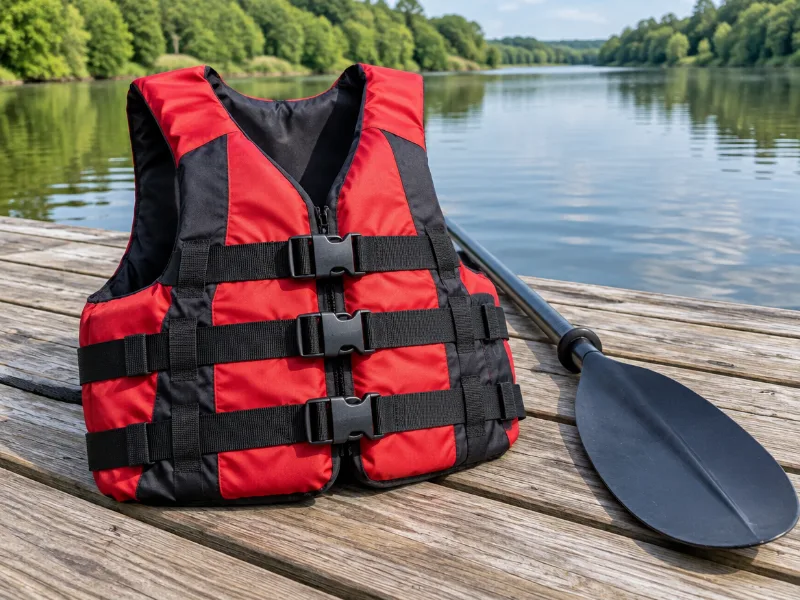 Illustration Stearns adult life vest, USCG approved Type III Federal rules require a wearable life jacket for every person on a kayak, canoe or boat. View on Amazon
 -
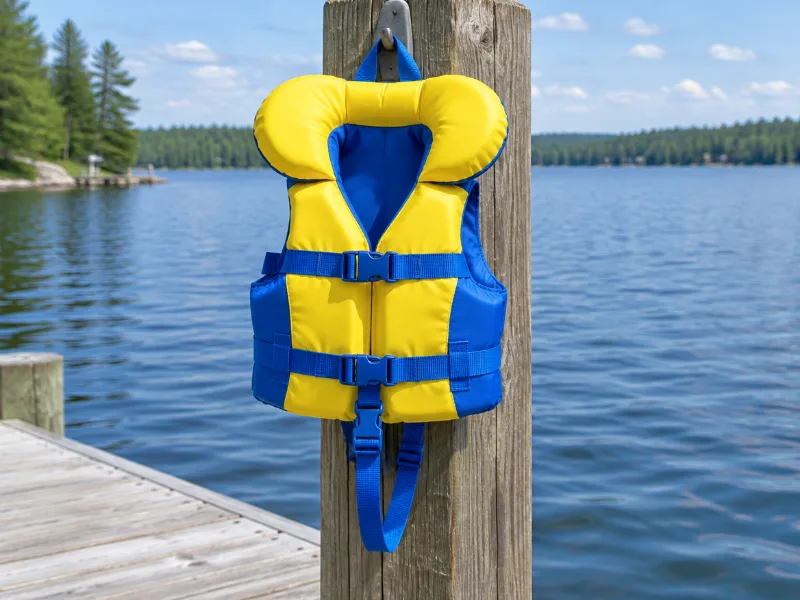 Illustration For kids Stearns child life jacket, USCG approved Type II with head support Most states require kids to wear a life jacket on board, and the head support keeps their face up. View on Amazon
 -
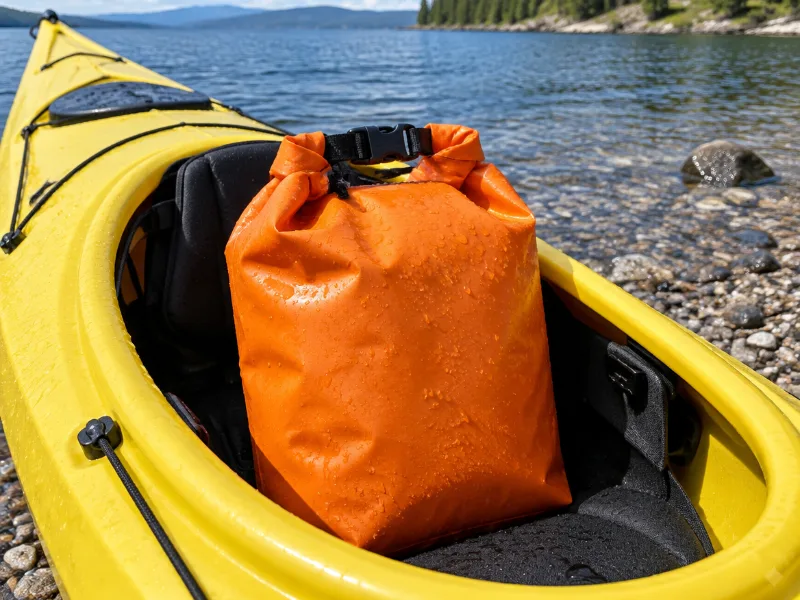 Illustration Bestseller Earth Pak waterproof roll-top dry bag Keys, phone and a dry shirt stay dry even if you tip over at the put-in. View on Amazon
We haven't tested these ourselves; we chose them by size and specs. As an Amazon Associate we earn from qualifying purchases, at no extra cost to you. Check the current price on Amazon.
Launching from a beach or shore
- Carry the kayak to the water and float it bow-out in shallow, calm water, about ankle to calf deep.
- Lay the paddle across the kayak just behind the seat, one blade resting on the shore or bottom. Some paddlers tuck it under the deck lines.
- Straddle the kayak, hold the paddle shaft and the cockpit rim, and sit down into the seat.
- Pull your legs in one at a time, then push off with the paddle.
A canoe works the same way, but step into the middle along the centerline and keep your weight low.
Launching from a dock
- Place the kayak parallel to the dock and put the paddle within reach on the dock.
- Sit on the edge of the dock with your feet in the cockpit.
- Keep one hand on the dock, turn your body toward the bow and lower yourself onto the seat in one smooth move.
- Pick up the paddle and push away from the dock.
Low floating docks and launch docks with rails or rollers make this much easier. Under federal accessibility guidelines, where boarding piers serve launch ramps, at least one in twenty, and at least one, has to be accessible.
Launching at a boat ramp
Shared ramps are fine for paddlers if you follow the ramp etiquette: unload in the parking area, carry or roll the boat to the side of the ramp or the end of the dock, launch, and park the car before you get in. Never leave a kayak sitting in the middle of the lane. A kayak cart makes the walk from the parking lot easier.
For the walk to the water
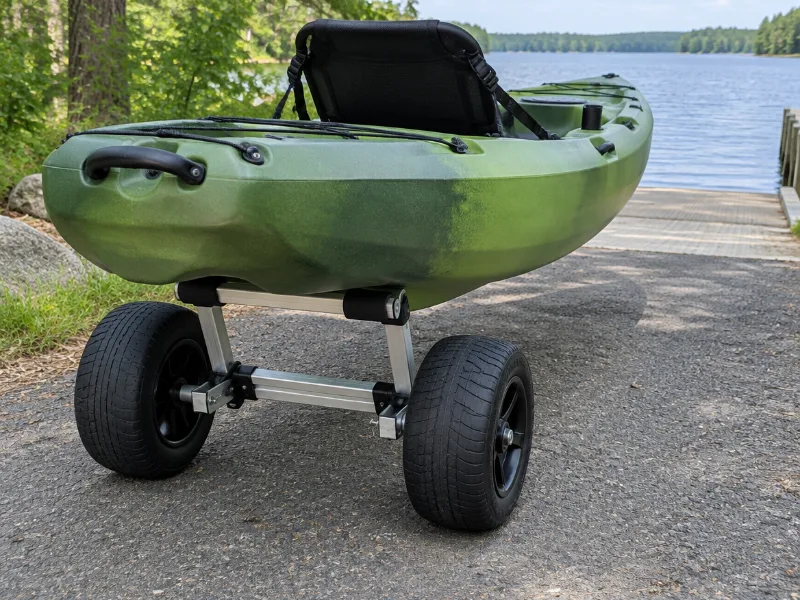
We haven't tested these ourselves; we chose them by size and specs. As an Amazon Associate we earn from qualifying purchases, at no extra cost to you. Check the current price on Amazon.
Life jackets, registration and launch permits
The U.S. Coast Guard requires one approved, properly fitting wearable life jacket per person on a kayak, canoe or paddleboard. Canoes and kayaks don't need an extra throwable cushion, whatever their length. Under the federal rule, children under 13 must wear their life jacket while underway, unless a state has its own age rule.
Registration rules differ a lot by state. A few examples:
| State | Rule for paddle craft |
|---|---|
| Pennsylvania | Unpowered boats need a boat registration, a Fish and Boat Commission launch permit or a state parks launch permit to use those launch areas. Permits from other states aren't accepted. |
| Ohio | Canoes and kayaks must be registered. Paddleboards are exempt. |
| Minnesota | Non-motorized boats 10 feet or shorter need no registration. Longer ones do, plus an aquatic invasive species surcharge. |
Fees change, so check the state agency before buying. Our page on launch fees and permits has more.